Stress & Exercise: If You Don’t Have Time, That’s the Problem

It’s 6:30 pm, and you’ve been sitting in the same position answering messages, joining meetings, and solving problems since 9 am. Your shoulders are aching, tech-neck doing you no favours and your focus has left the building. The mere thought of training is exhausting. So, you tell yourself that tomorrow will be better and that you’ll start training then.
Rinse and repeat, ad nauseam. We can all fall into this routine.
The issue isn’t laziness or lack of ambition; it’s allostatic overload. This is the cumulative wear and tear on your body of nonstop notifications, endless decision-making, long workdays, financial stress, parenting demands, and poor sleep.
Why Chronic Stress Changes How Your Body Responds
While it may seem logical to assume that exercise drains your energy, research suggests that regular physical activity does the exact opposite, reducing your allostatic overload. Regular physical activity helps you cope with chronic stress levels more effectively. This is one of the lesser known benefits of exercise tThat doesn't get the credit it deserves. Help me spread the word!
Chronic stress alters the body’s fundamental response mechanism by keeping your "fight-or-flight" system constantly activated, flooding you with cortisol and adrenaline. This long-term, persistent activation can lead to structural changes in your brain, chronic inflammation in your body, a weakened immune system, and significantly higher risks of falling victim to hypertension, heart disease, anxiety, and depression. We weren't designed for this chronic low to mid-level of stress. Sure, ancestrally we would have to run away from lions, bears and other tribes now and then , but this was a short and brief load of stress, which also incidentally involved physical exertion. Hence our brilliant design. Modern day stresses are far more insidious.
How Long-Term Nervous System Overload Impacts Your Identity
At first, missing your workouts is temporary. Your work is busy right now, your private life is momentarily chaotic, or you just need some extended recovery time after a gruelling training session. But when these off days turn into weeks and then months, inactivity becomes your new normal.
You’re not someone who exercises any more. You don’t prioritise your health or control your routines.
This shift in how you see yourself will affect your confidence more than you may realise.

The longer you’re exhausted, overwhelmed, and disconnected from your body, the easier it is to believe that this version of yourself is who you are. Whether you’re too busy, too tired, or simply don’t have the energy, it stops being a passing state in a momentary point of time and starts becoming your identity.
I work with people like this all the time.
This is one reason restarting physical exercise can feel emotionally difficult as well as a physical struggle. You’ll be rebuilding your fitness levels and your ability to start following through and doing what you’ve said you’re going to do consistently again. The initial barrier-breaking phase is always the hardest but once you succeed in that, it all becomes easier.
Start small. Small, repeatable actions matter so much. Every walk, workout, or healthy decision that you make reinforces the idea that you are still capable of taking care of yourself, even when the going gets tough. Anything is better than nothing, no matter how small.
Why You Stop Exercising When You’re Feeling Overwhelmed
The irony of being constantly stressed is that when you’re in this pattern, when you need to sweat, you’re less likely to be able to do so – Remember my lion and bear scenario? When your nervous system is overloaded, even the smallest task starts feeling overly demanding. This means that training feels less like self-care and more like yet another responsibility competing for your already limited time and energy. This is normal. Awareness and understanding this will get easier, and it is 80% of the battle.
Research into reduced exercise participation during stress and mental fatigue and exercise behaviour shows that chronic stress and mental fatigue both increase perceived effort, which makes you less likely to engage in physical activity.
High-stress routines also often remove you from physical environments completely. You’ll notice that you’re spending entire days indoors, moving only between your desk, car, meeting venues, and differently sized screens.
This kind of behaviour creates a long-term sense of physical disconnection, where your body starts to feel stiff, restless, and uncomfortable because regular movement is lacking.
But rather than skipping out on any exercise, remember that even a 10-, 15-, or 20-minute workout is worth it and can help break you out of your pattern. A change in your environment, and even community as well as manageable training sessions a few times a week help you feel mentally clearer and physically less restricted, even after long periods of sitting.
Why Motivation Is an Unstable Foundation
Many people believe discipline means forcing yourself to feel motivated every day. In practice, motivation is in constant flux.
Poor sleep, emotional exhaustion, work pressure, illness, and busy schedules all affect your willingness to train. Anyone relying entirely on motivation to accomplish workouts will become inconsistent because our daily emotions are unpredictable.
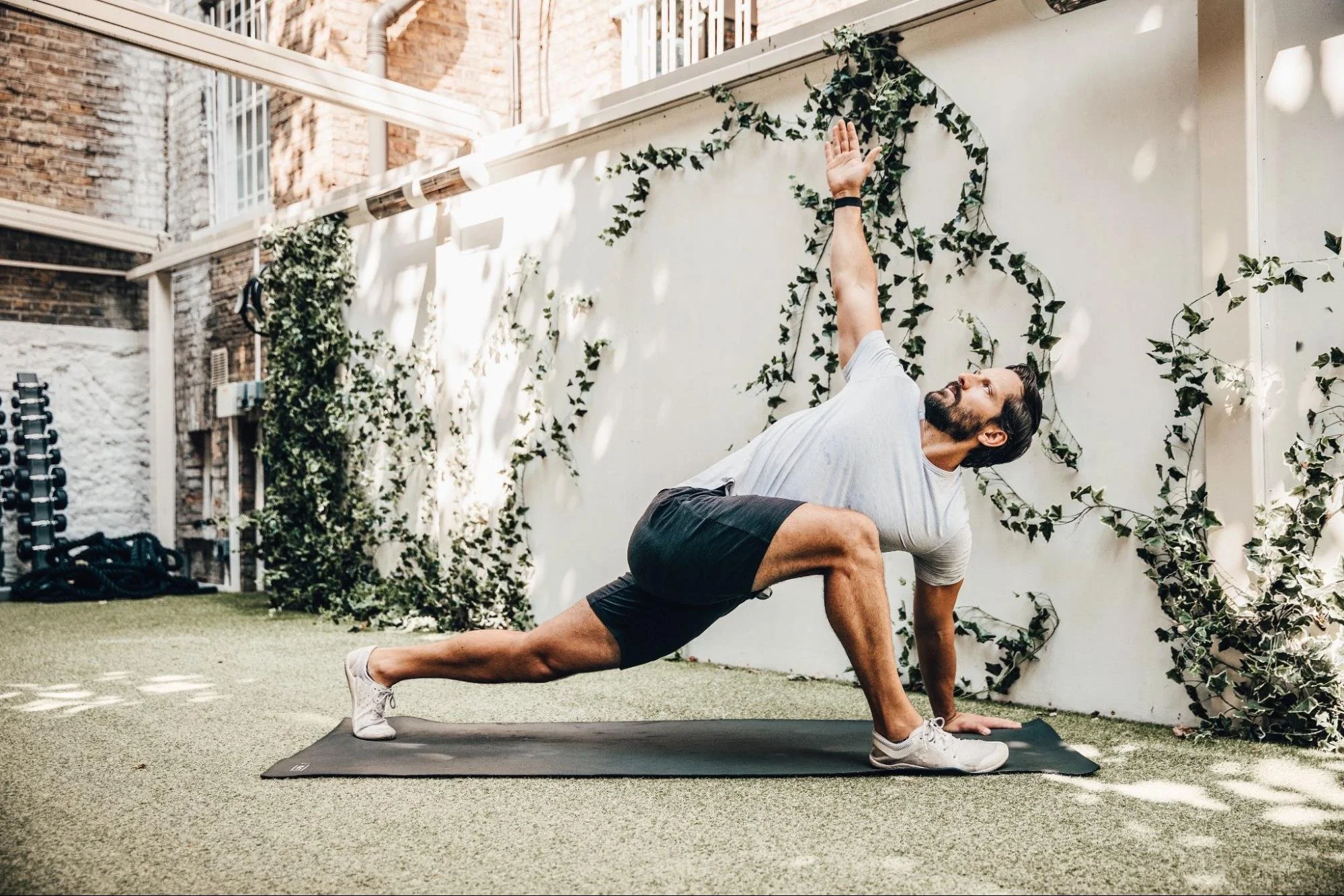
What you need is to embrace the fact that your body will betray you, but by slowly integrating the fundamentals of movement, nutrition, and cognition, you have something even better than motivation. You have a system for success that helps, even if you only do it 10 minutes a day.
How Consistent Movement Protects Your Body Long Term
Long-term stress and physical inactivity can also accelerate many of the physical changes associated with ageing. Chronic inflammation, poor sleep, reduced muscle mass, and limited mobility all place additional strain on your body over time.
This is one reason regular strength training and consistent movement become increasingly important as you get older. Maintaining muscle, joint function, balance, and cardiovascular health helps support independence, energy levels, and physical resilience later in life.
The good news is that this doesn’t require extreme training.
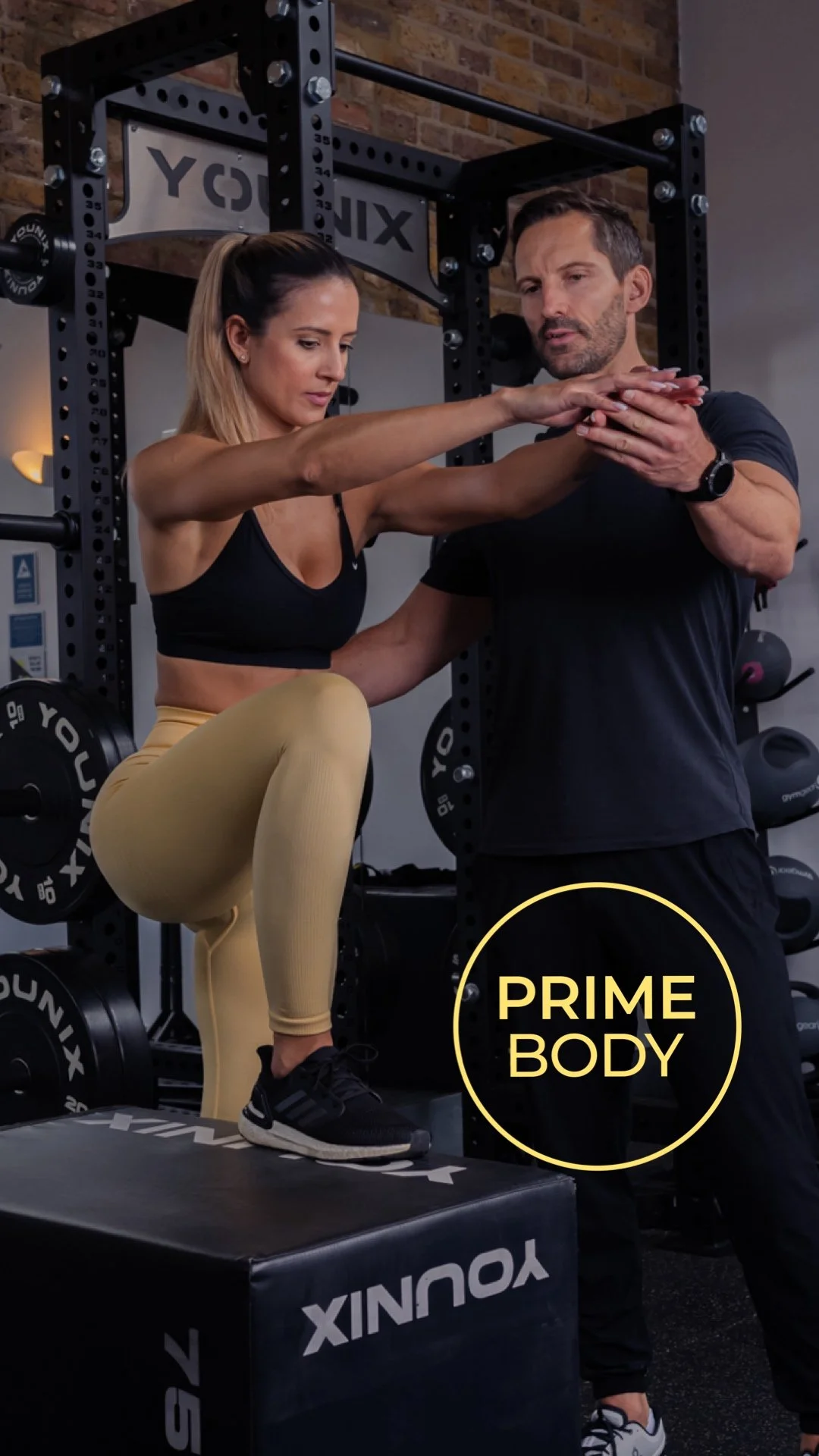
Regular activity like the type I provide in my PRIME BODY program, offers will help you maintain your strength, support your mobility, aid in your recovery, and reduce the physical discomfort associated with long periods of inactivity. This consistency is key, and small, consistent changes add up over time. You'll see the results both in your body and your mindset.
Making Time For a Realistic Fitness Routine
Your workouts should make your life more manageable. Getting healthy doesn’t necessarily mean 5 am wake-ups, extended training sessions six days a week, and training that requires a complete restructure of your life! The biggest mistake is that people try to go from zero to hero far too quickly and train the way they think they have to train rather than training based on where they are emotionally, professionally and physically right now.
It’s too difficult to maintain an unrealistic training schedule.alongside everyday fatigue, family responsibilities, general stress, and work.
Make your fitness routine simple. Focus on getting a few strength sessions in each week, taking regular walks, improving your sleep pattern, and overall just getting consistent movement into your day. Once you have that nailed down only then you can start to work on adding more.A short workout is always better than no workout and will make a huge difference to your energy, stress levels, and recovery time over the long term.
You don’t need extremes here; functional exercises will do just fine. Think lunges, presses, rows, and squats that make and keep you strong, and that will carry over into your daily life. Walking is also key and what we're supposed to do a lot more of as it improves circulation, gives your nervous system a chance to decompress, and is a fantastic way to support your recovery between more high-intensity sessions.
The best routine is the one you can realistically continue doing even when life gets busy. And the more you do it, the better your body and mind will feel.